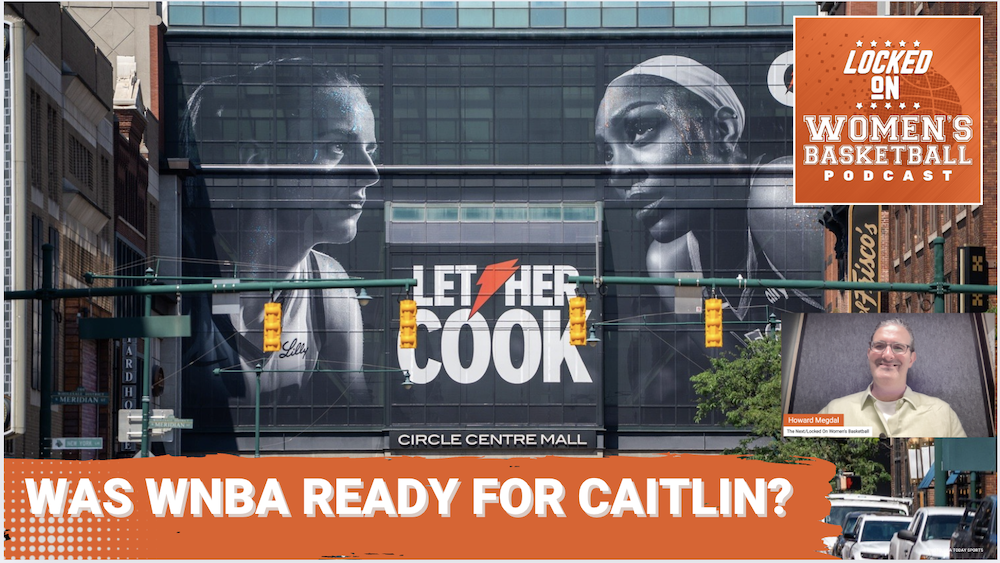
On the latest episode of Locked On Women’s Basketball, host Howard Megdal discusses parity and how it’s arrived in the WNBA, as well as the business side of the league, specifically the collective bargaining negotiations. He also addresses the conversations about what the WNBA “supposedly got wrong,” which, from his perspective, is unclear.
He then looks ahead at what to expect this week and what we’ll learn, from upcoming matchups to where teams are at right now in the season, and more.
Megdal opens up the show by looking at the parity in the league by diving into where teams are at right now. He points out that parity isn’t solely dependent on the top teams losing, but also the teams at the bottom finding ways to win. He also discusses the parity as a sign of just how competitive the WNBA is this season.
“[There are] plenty of teams who can do plenty of damage in this league,” Medgal said. “That top five includes four with six losses or seven losses. Parity. It matters. It’s a big deal, and it’s not going anywhere until the end of the year.”
Later, Megdal discusses the ongoing CBA negotiations between the WNBA Players Association and league commissioner Cathy Engelbert. Thus far, the two sides are seemingly very far away from finding a middle ground for the terms of the next CBA.
“There’s a lot more money there, everywhere you look. And so, finding common ground and making sure that as two teams come in next year, the WNBA finds a deal with its players that makes everyone happy, I have maintained and continue to maintain that, I think it’s very clear there’s a deal to be done when there’s this much money available to make such a deal.”
Make sure to subscribe to the Locked On Women’s Basketball podcast to keep learning about women’s college basketball, the WNBA, basketball history and much more!
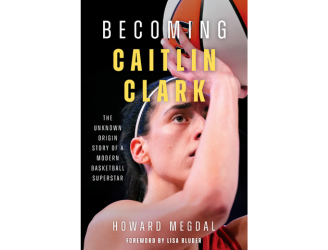
“Becoming Caitlin Clark” is out now!
Howard Megdal’s newest book is here! “Becoming Caitlin Clark: The Unknown Origin Story of a Modern Basketball Superstar” captures both the historic nature of Clark’s rise and the critical context over the previous century that helped make it possible, including interviews with Clark, Lisa Bluder (who also wrote the foreword), C. Vivian Stringer, Jan Jensen, Molly Kazmer and many others.