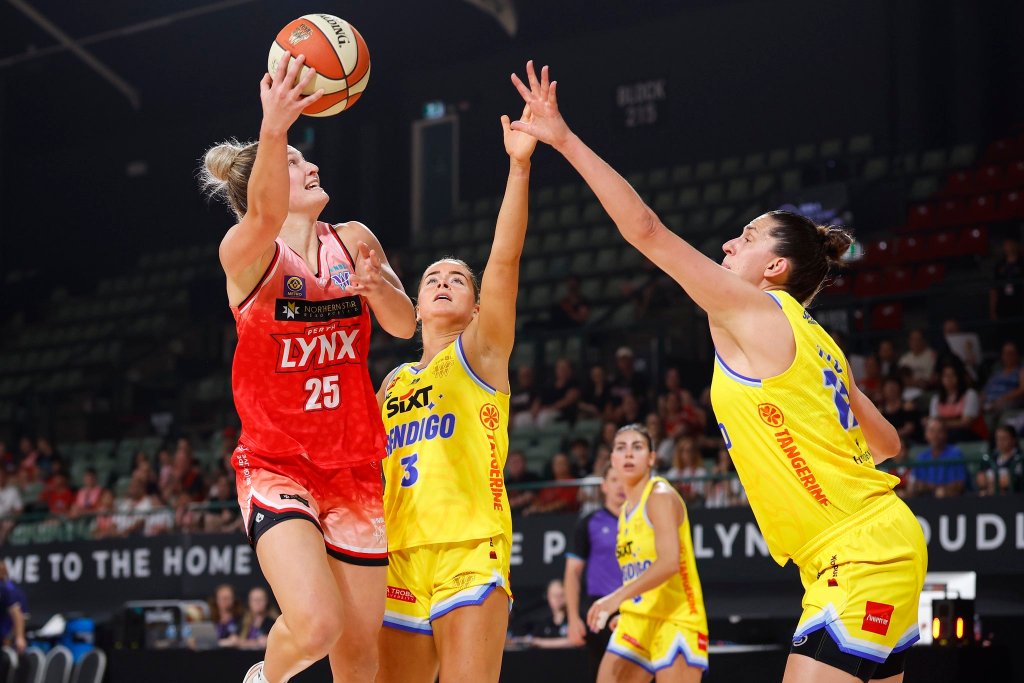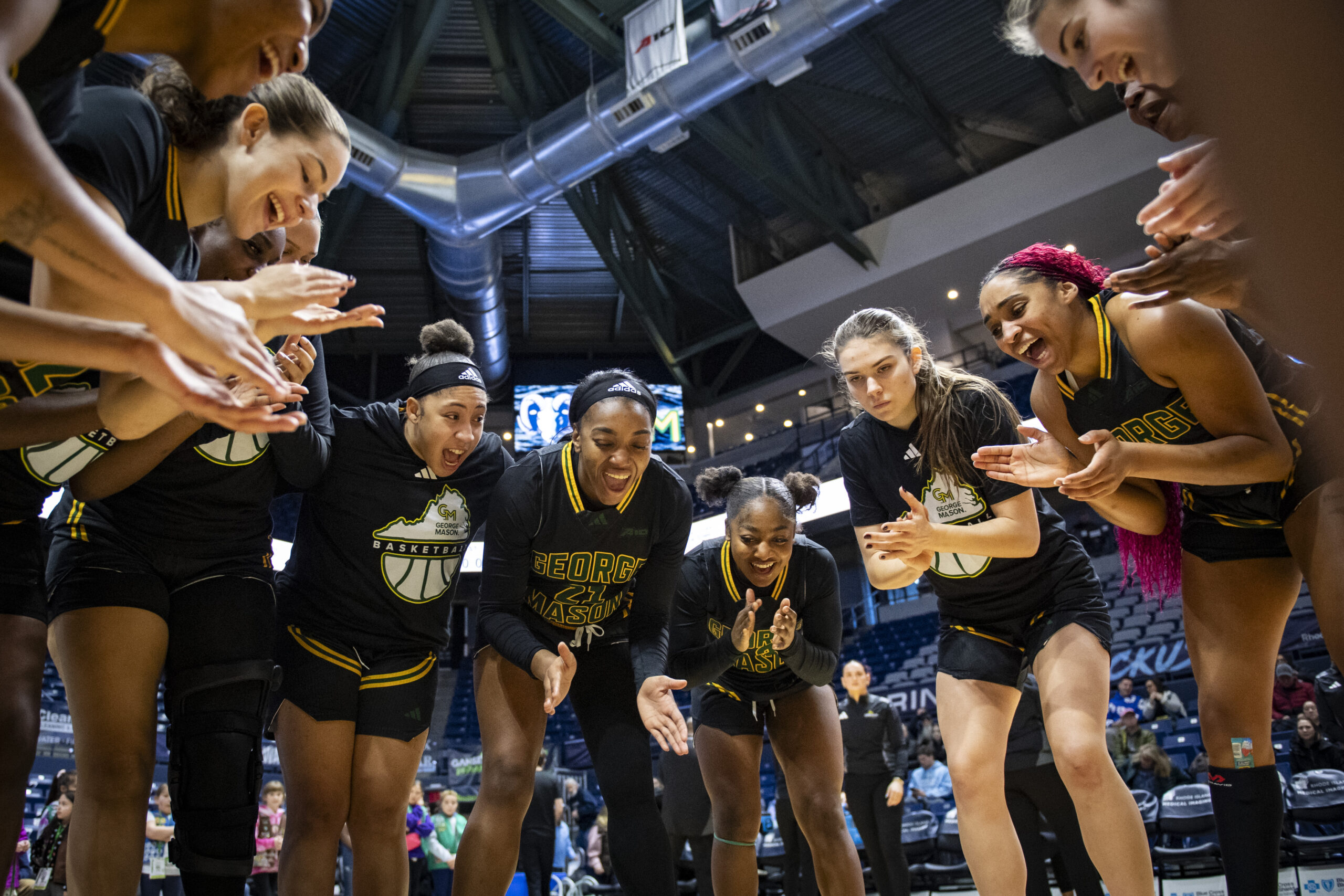
From summer 2022 through summer 2024, foreign tours were booming in women’s college basketball. At least 111 Division I teams took a foreign tour in those three years.
Fewer trips are on the calendar for 2025. At least nine Division I teams are taking foreign tours this summer, according to information provided to The Next by 15 leading tour companies. (Additional tour companies did not respond to multiple requests by email and phone. This story will be updated if more information becomes available.)
| Team | Destination(s) | Dates |
|---|---|---|
| Albany | Italy | Aug. 4-14 |
| Boise State | Greece | Aug. 5-12 |
| Cincinnati | Italy | Aug. 2-9 |
| George Mason | Spain | Aug. 5-15 |
| Howard | Portugal | Aug. 5-13 |
| James Madison | Spain | July 23-31 |
| Rice | Greece and Italy | June 1-11 |
| South Alabama | Greece | July 31-Aug. 8 |
| Yale | France and Spain | Aug. 5-14 |
There are also at least a few non-Division I teams traveling, including Division II Northwood University and Division III Bethany Lutheran College.
“I am always proud of the fact that we can provide our student-athletes with not only a world-class education and top-notch athletics, but also with unique and memorable experiences that enrich their undergraduate years,” Rice head coach Lindsay Edmonds said in a press release announcing her team’s tour. “Our trip to Italy and Greece will be a tremendous opportunity for our team to begin to come together on and off the court.”

NCAA rules allow teams to take foreign tours once every four years. Some people have argued that tours are down this summer because so many teams traveled in the past three years and can’t this summer. However, nearly 70% of all Division I women’s basketball teams are eligible to travel this summer. And though tours are expensive, most athletic departments can afford them once in a while.
But there are several other reasons that women’s basketball programs, and athletic departments overall, might be cutting back on foreign tours. They may simply be prioritizing other things, like in-season travel. Unlike summer tours, smart scheduling and travel during the season could boost teams’ NET rankings and NCAA Tournament chances.
Athletic departments have also been anticipating revenue-sharing, which officially came to college athletics with the settlement of several antitrust cases against the NCAA on Friday. The settlement allows athletic departments to pay players directly, dramatically reshaping players’ earning potential. Programs in the ACC, Big Ten, Big 12 and SEC will all opt into revenue sharing, and some mid-majors likely will, too.
For programs that opt in, revenue-sharing also changes how they think about spending money, according to Matt Brown, the founder and publisher of the Extra Points newsletter covering off-court issues in college athletics. (Brown spoke with The Next before revenue-sharing was approved, but many athletic departments had prepared for it for months.)
“While coaches appreciated the chance to travel internationally … for team bonding and for culture building and for educational enrichment opportunities, one of the biggest reasons [to take foreign tours] was to use these international trips as a recruiting advantage and a benefit that you would offer players to come here,” Brown told The Next. “Like, ‘If you come and spend four years in my program, you will go to Brazil.’ …
“[With revenue-sharing,] a lot of the bells and whistles that programs used to use to entice recruits are going to be cut, because now you can just give cash. And while going to Brazil or Italy or Spain is cool, 18-year-olds tend to respond more to $90,000. … And international travel is one of the most visible and most expensive things to be cut.”
In addition, women’s basketball programs generally won’t be flush with funds to spend on players in the revenue-sharing era. Athletic departments will allocate most of the money — in many cases, 90% or more — to football and men’s basketball, leaving relatively little for all other sports. At Georgia, for example, women’s basketball is set to receive $900,000, compared with $13.5 million for football and $2.7 million for men’s basketball.
“Women’s basketball in particular is facing a cash crunch because few schools, even high-level [Power Fours], are willing to allocate more than $1 million in revenue-sharing money for women’s basketball,” Brown said. “… And rosters are expensive, so you have to be really careful with your university money and aggressive in trying to find money … to actually get the transfers and hold on to the players that you need.”
Many athletic departments are also cutting back or are reluctant to spend money on non-necessities like foreign tours right now because of legal uncertainties. Those uncertainties include the potential for more lawsuits as the details of revenue-sharing are ironed out. There are also questions about federal immigration policy, the stability of student visas and potential restrictions on international students. Those questions may lead programs with international players on their rosters to decide that leaving the United States for a foreign tour is too risky this summer.
Still, this is not necessarily the beginning of the end for foreign tours in women’s basketball. Mid-major programs that don’t opt into revenue-sharing may still use foreign tours to help recruit players. More teams will be eligible to travel in 2026 than in 2025, and athletic departments may feel like they’re on more stable ground to pay for them.
So travel could rebound, as it did after the COVID-19 pandemic completely shut down foreign tours. But for now, the future of foreign tours is cloudy, just like a lot of things in college athletics.