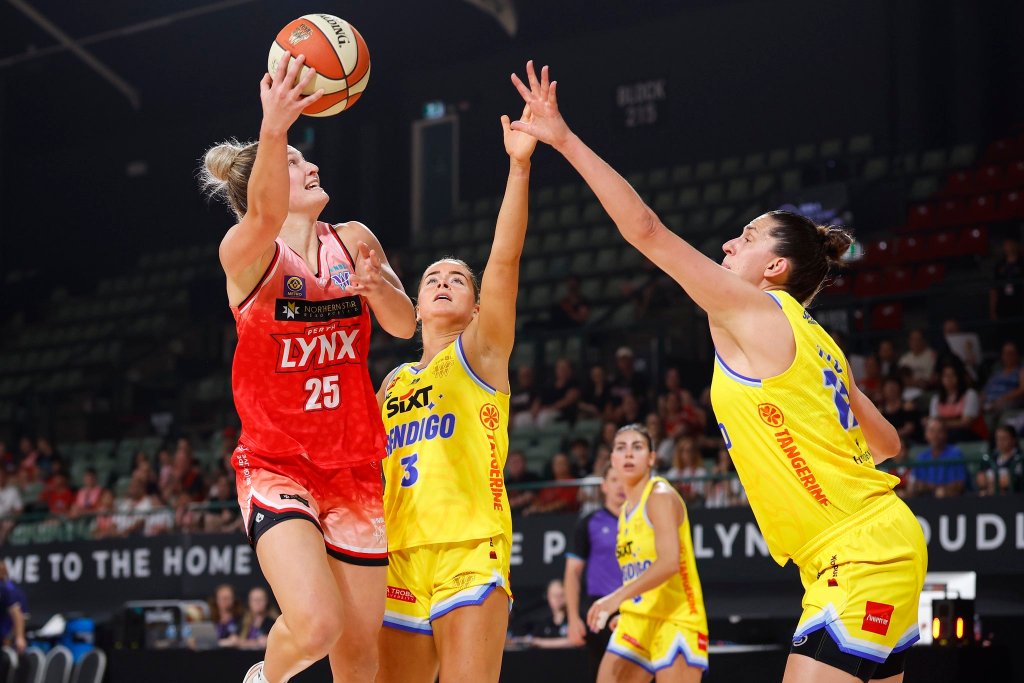
Yesterday I brought you the story of Team Ukraine captain Daria Tsymyrenko. Today I’m delighted to give TIG subscribers the interview in full, edited slightly for clarity.
THE ICE GARDEN: Let’s start at the very beginning. Where did you grow up?
DARIA TSYMYRENKO: I grew up in one of the big cities in Ukraine, Dnipro (before Dnipropetrovsk, renamed in 2016). I was born there on 19 of March 2003 and lived there until I was 17 years old, after [which] I moved to Sweden.
Dnipro is a beautiful city in central Ukraine. We have around 1 million population, but I always thought that it’s pretty small city compared to our capital. I have family there: my mom Julia, dad Dmitry, and two older brothers Kirill and Dmitry. For the moment they all live in Dnipro. Also I finished Waldorf School there, and [I’m] now studying online in the Dnipropetrovsk State University of Internal Affairs.

How did you get interested in hockey and what made you want to play?
I have kinda common story. First my brother Kirill started to play hockey because of his friend that asked him to go to the practice together, so he won`t be bored, but after a while that friend stopped playing. I attended all of his practices and games; I was a big fan of him and his team. I don’t know exactly why, but I just fell in love with hockey from the first meeting.
So after around one year of being a fan, his coach noticed me and asked if I want go on the ice with them, so I said, ‘of course!” Just because my father [taught] me before how to skate, I impressed that coach and he gave me hockey equipment so I started to be in that team, HC Pridneprovsk. For that moment I was the only one girl in hockey school and maybe even the only one in Ukraine (but definitely among girls born in 2001-2004).
My brother is not playing professional now, but I still [ask] him for hockey advice. By the way, my mom was against me in hockey until we went to one tournament in Bila Tserkva (Kyiv region). She was with me and after one of the games the organizer of that tournament gave me a large bouquet of flowers and sweets, so after that incident, my mom allowed me to be in hockey and stopped telling me that girls don’t play hockey.
Were you always a forward? How would you describe yourself as a player?
Yes, I think from the beginning of my hockey path I was a forward because my coach wanted me to score goals. I think I’m more of a tactical player who prefers to play pass, and I really like to use some fake moves on the ice. I also heard from coaches that I have hockey vision that helps me a lot.
But also [I’m a] player who always [works] hard (extra ice, extra gym), because as a player I understand if I want to be better I need to work harder, so I can reach my goals in hockey. I really love hockey, I can be at the ice rink all day and not be tired of that. My passion [for] hockey is infinite; I’m crazy about it.
Who were your hockey heroes growing up?
I think the first one that came on my mind is my brother of course, but actually is Patrick Kane, because I remember watching his highlights, but to be honest I wasn’t a big fan, I just liked to watch his game. But I really remember 2014 Olympic games when T.J. Oshie showed amazing performance there, so I really liked that player and that’s why I took number 74 in hockey.
And when I was more in women’s hockey there’s one absolute favorite, [who] is Hilary Knight. One day I want to meet her and just talk and to say to her thanks for her passion to hockey.
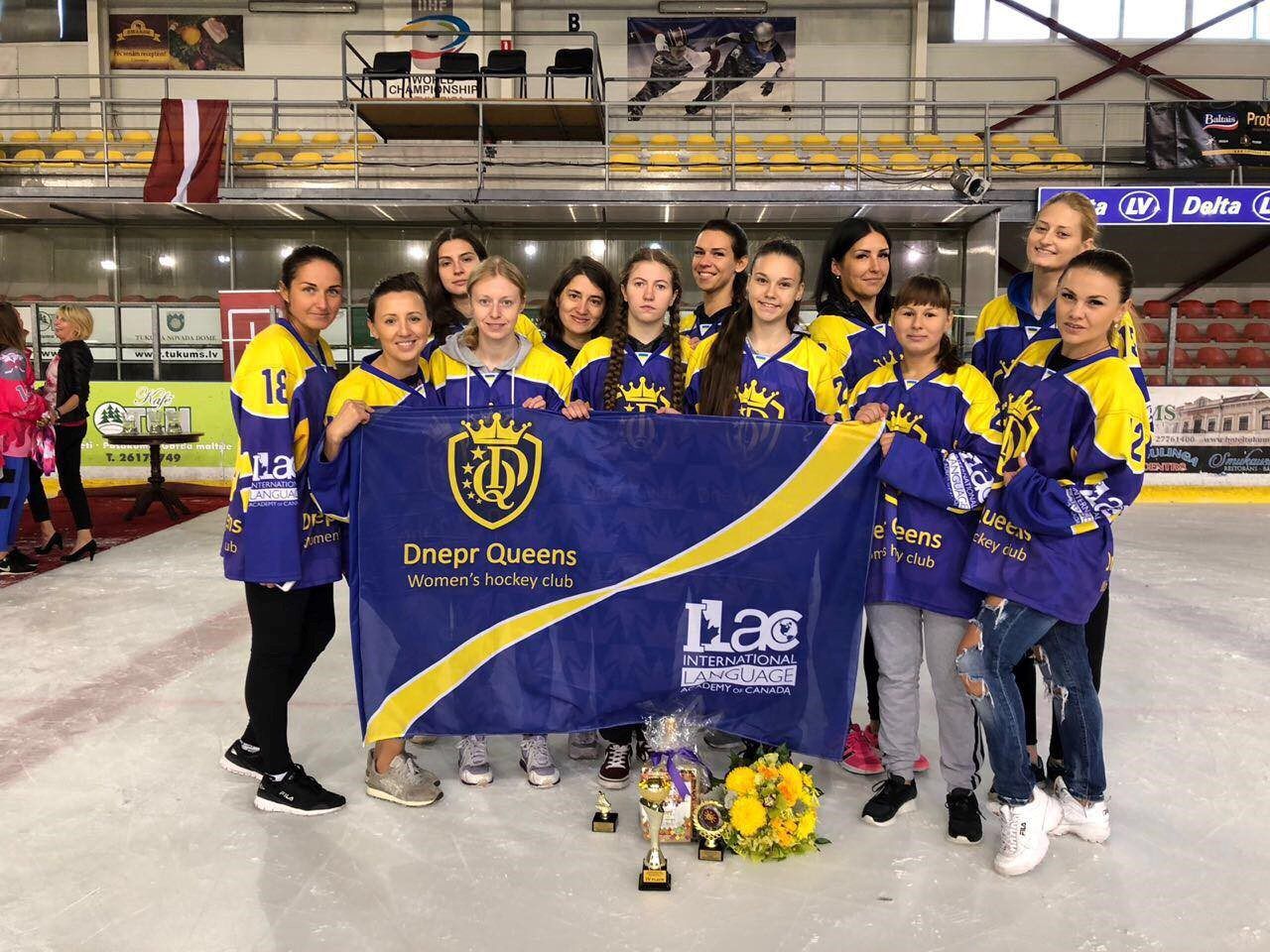
And I also want to add a couple words about [team Ukraine defender] Tetyana Tkachenko. She’s a big person to me and to my hockey career; she always helped me during my path, we used to play together in HC Dnipro Queens and in National team of Ukraine. And also Valeria Manchak-Jensen, we played together just a few games, but I’ve always admired how hard a person works to achieve her goals, by the way she played in Liberty University.
How old were you when you joined the national team?
I was 15 years old. First tournament I played with the national team was qualification to the world championship and even then our team voted for me to be an assistant captain, but I was too young so I was just a player.
You spent several years in Sweden before moving to the Swiss league. What was that change like for you? Did any of your family go with you?
Oh it was a big change in my life. First of all I didn’t really speak English when I moved to Sweden, so [the] first two months there were tough for me. Second of all I was 17 years old, just finished high school and at that moment I realized if I want to play hockey [professionally] I need to move abroad, so I started tracking teams and championships in Europe and one day a hockey club in Södertalje, Sweden answered to me and after a while took me to the team.
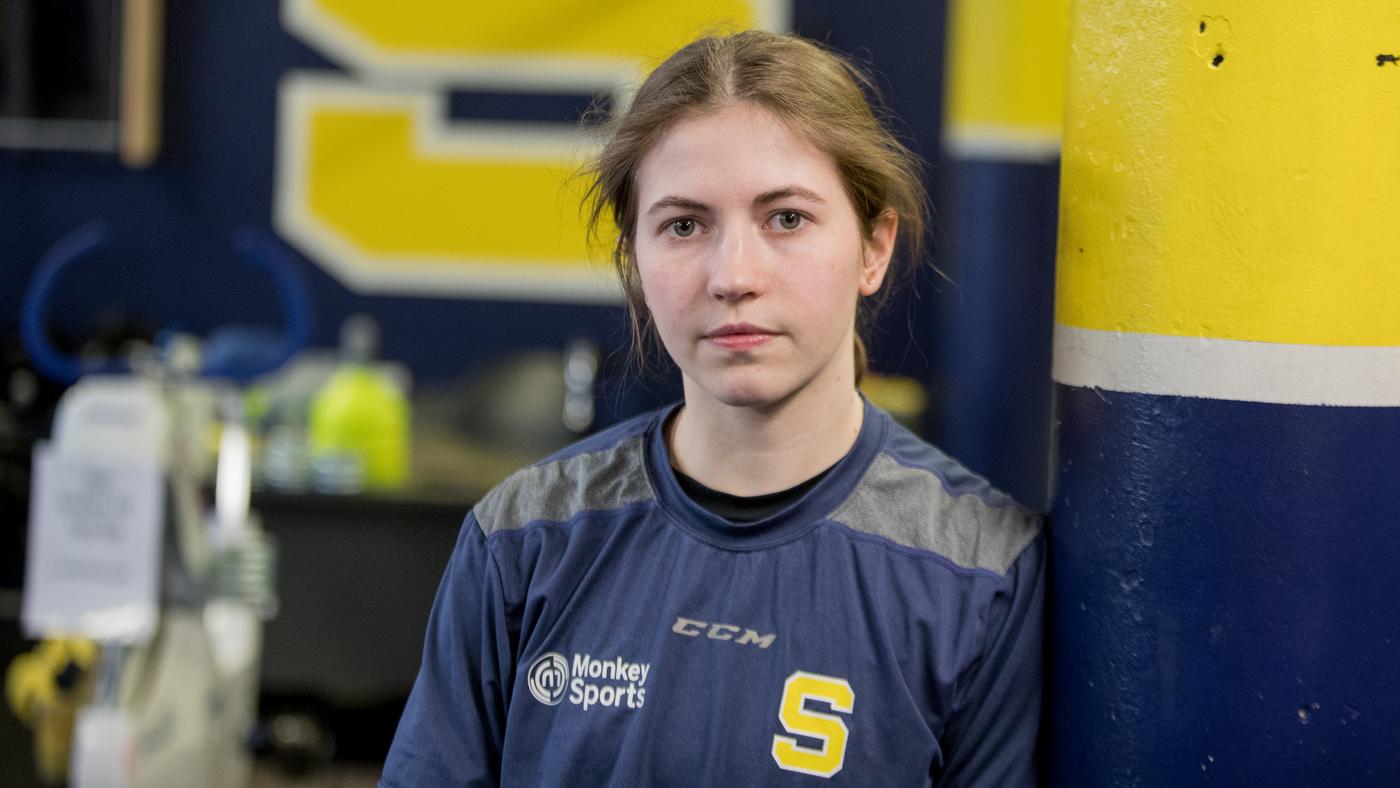
I went there alone, none of my family members were with me in Sweden. But I had [a] really good team manager there and players that helped me with everything.
How did it grow your game?
Very much actually, because the level there and in Ukraine is a big difference. I started to play [more smart] hockey, also to use my body more, because players in Sweden are much taller. I changed my hockey mentality in general, the way how hockey players [should be] practicing, have off-ice (gym), even how athletes should watch their nutrition, because we had meetings about that. I think I made one big step forward when I moved to Sweden; I became more professional as a hockey player.
Do you find the game in Switzerland different from the game in Sweden?
Sure! In Sweden I played in Division 1 (which is second highest league in Sweden) and in Switzerland SWHL A (highest league) so in Sweden we had difference between teams in our group, like we had 3-4 good teams and the rest is below average, so in Switzerland we have two really strong teams and others is around average or higher, so to play in Switzerland was harder. But also players in Sweden are pretty tall, so I was like medium height there and in Switzerland I’m more like tall player but still middle. And for my opinion, in Switzerland the highest league is faster and more professional than it was in Sweden.
Let’s talk about your life off the ice. How do you like to spend your time when you’re not playing hockey?
When I’m at home, in Ukraine (which happens quite rarely now) I like to spend my time with my family, friends and walking with my dog. Here, in Switzerland, well, mostly I’m studying, but also I’m reading books, hanging out with teammates, exploring beautiful country, I mean in general trying to develop myself.
You’re now captain of Team Ukraine, and easily one of the youngest national team captains in the world. What does it mean to you, to be captain?
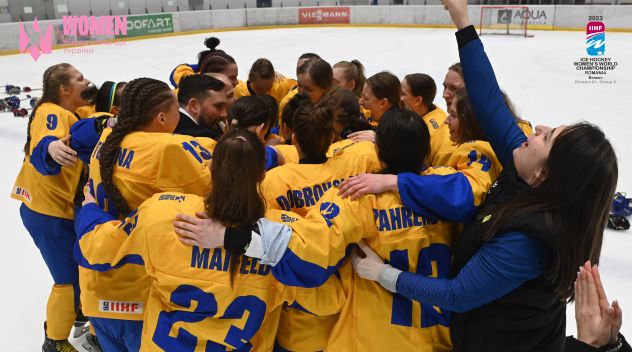
First of all it’s [a] big responsibility for me, because it’s not just a letter “C” on the jersey. If the team choose me, then I have to show a good results, be an example for players, be a leader in a team, help them, find an approach to each player, mentally prepare the team for games and to show trust in them, because they trust in me and chose me.
In your opinion, what does Team Ukraine need most to grow and climb the international ranks?
Well, now it’s a little bit complicated, because [in] my opinion we have to start with small children, at the moment we don’t have many children who play hockey (especially girls) and as a result they have nowhere to grow up, because we don’t have a championship now.
Many more children have gone abroad and I think that about 60% of all children will stay in hockey. But for that we need time. But at the moment it’s also not easy to play hockey for girls that stayed in Ukraine. I think we have around five players that [are] in Ukraine right now and they don`t have constant practices. The rest are in Europe or the USA, but not everyone is playing games which is sad, because we deserve to have gold medals [in the] world championship! And it’s complicated to reach the top with all that situation, but we are trying our best.
What do you want people to know about women’s hockey in Ukraine?
I want people to know, that the team spirit of our girls is one of the strongest I’ve ever seen and because of that we need support from the fans around the world. We have talented players, but not everyone staying in hockey. The path that every girl in the team overcomes to get to the national team training camp is worthy of respect, because even being in different parts of the world, they still leave their jobs, families, schools just to get to the training camp and have ice practices, that’s our price to play hockey and represent our country at the World Championship, so I just want then to know that I’m so proud to be part of that team and I’m proud of them!