When the Seattle Reign kick off their 2026 NWSL season in March, they’ll do so 280 miles from home. The Reign’s first three “home” matches will be played at ONE Spokane Stadium, a field used by local soccer clubs that seats just 5,000 fans — a far cry from the 7,864 average they drew in 2025 at Lumen Field, their usual home.
The abrupt move stems from the looming 2026 FIFA Men’s World Cup. As that tournament approaches, 16 pitches across the U.S. must undergo renovations — including Lumen Field, which will host six World Cup matches and requires a new grass installation. The Reign are trying to stay positive, with some players and staff expressing excitement about reaching new fans outside the Seattle metro area. But the complications — and frustrations — are real. Will players fly or drive? What about the fans? Certainly, five-hour road trips to Spokane weren’t in the plans for season ticket holders.
Seattle isn’t alone. Several NWSL teams are calling multiple venues home or playing away from their usual stadiums this season, a scenario complicated by the World Cup and the introduction of two expansion teams before their permanent homes are ready.
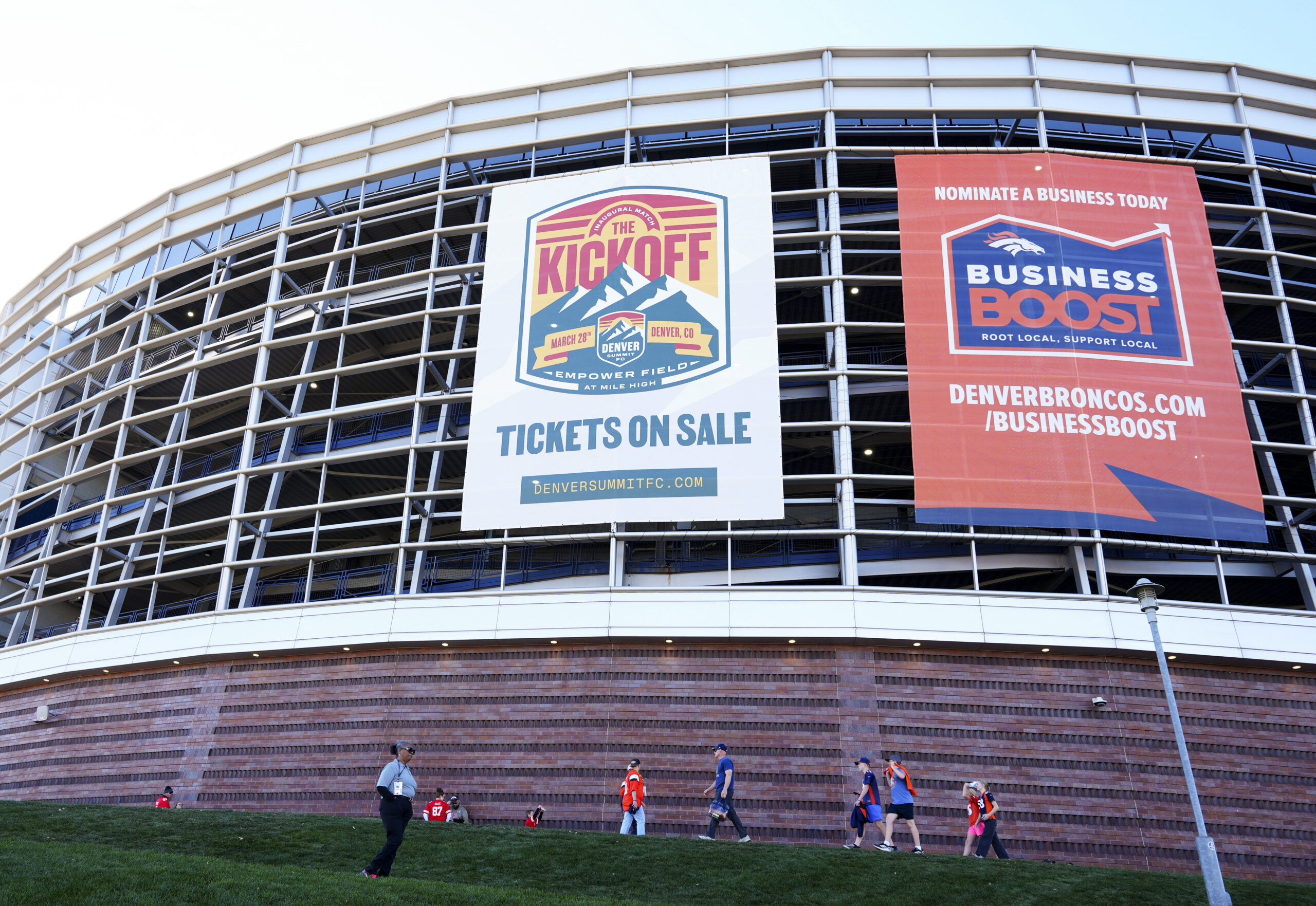
Those expansion teams, Denver Summit FC and Boston Legacy FC, are both navigating the challenges of unfinished stadiums. Denver, awarded the league’s 16th franchise in part for a promise of a new soccer-specific stadium in the heart of the city, will rotate between three Denver-area stadiums in 2026: Empower Field at Mile High, Dick’s Sporting Goods Park, and Centennial Stadium. Ground hasn’t even been broken on the promised permanent stadium, frustrating fans even as excitement builds for the team’s debut season.
Listen now to The IX Sports Podcast & Women’s Sports Daily
We are excited to announce the launch of TWO new podcasts for all the women’s sports fans out there looking for a daily dose of women’s sports news and analysis.
Stream on Spotify, Apple Podcasts, or anywhere you listen to your podcasts and make sure to subscribe!
Boston faces a similar story. Back in 2024, the Legacy struck a public-private partnership to renovate White Stadium in the Jamaica Plain neighborhood, intended as the team’s permanent home. But renovations won’t be complete in time for the start of the 2026 season. Instead, the team will play eight home games at Gillette Stadium, 30 miles outside Boston, while the other seven matches will take place at Centreville Bank Stadium in Pawtucket, Rhode Island — 47 miles away — to accommodate World Cup scheduling. Fans, unsurprisingly, expressed disappointment at the long commutes and instability.
Even NJ/NY Gotham FC will play a home game away from home. Normally based at Red Bull Stadium in Harrison, NJ, the team will host one match at Icahn Stadium on Randall’s Island in Manhattan in the middle of July. The move, caused by scheduling conflicts and proximity to the men’s World Cup finals in nearby New Jersey, makes logistical sense but comes with trade-offs: the stadium holds just 5,000 fans — about half the number Gotham typically draws — and is notoriously difficult to reach (unless you’re interested in riding the ferry!)
Amid the upheaval, Chicago Stars FC provide a rare example of a positive stadium change this year. After 10 seasons at SeatGeek Stadium in Bridgeview, Illinois, the team will play all 2026 home games at Martin Stadium in Evanston. While smaller than SeatGeek (12,000 vs. 20,000 capacity), Martin is more accessible by public transit, offers scenic views of Lake Michigan, and better matches the Stars’ average attendance of roughly 7,100. The move promises a more vibrant atmosphere and easier fan access without compromising crowd size. And besides, the biggest thing Bridgeview is currently known for is its ICE facility — which is hardly a great advertisement for the league.
The 2026 NWSL season will test players, fans, and front offices alike as they navigate a landscape reshaped by the World Cup, expansions, and unfinished stadiums. While the logistical headaches are clear, these temporary relocations can offer opportunities: to connect with new fans, explore new markets and showcase the adaptability of a league growing faster than its infrastructure can always keep up with. If nothing else, these growing pains are evidence of, well, growth — even as the league’s literal ground shifts.